

Mainline Articles
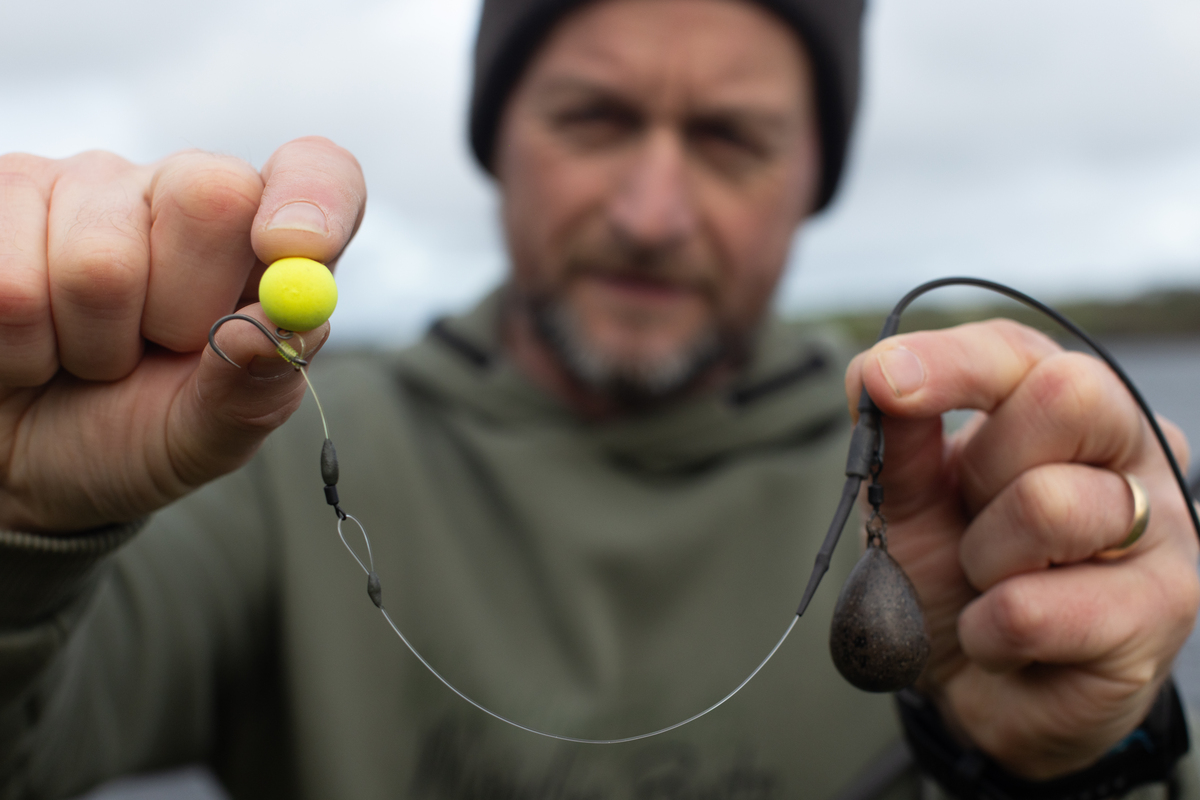
SINGLE HOOKBAITS!
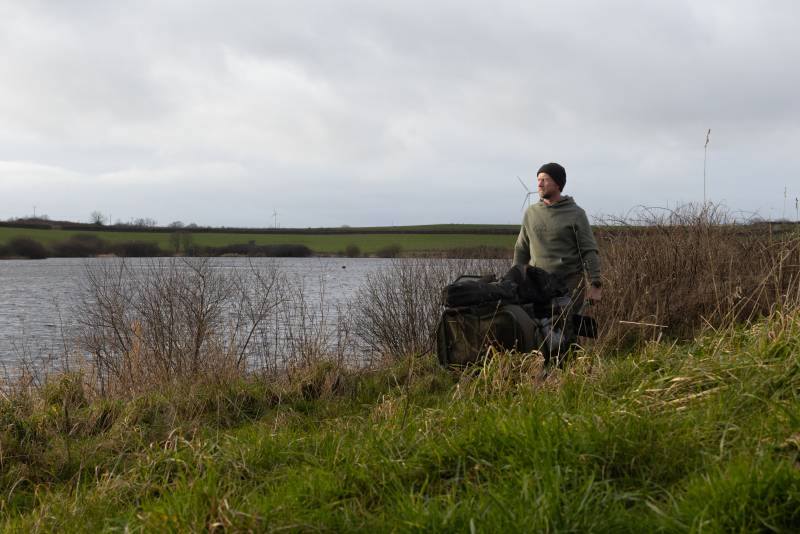
Do they have the power alone to keep your catch-rate going? Well, according to Mainline carper, John Kneebone they certainly do! As he reveals his tactics and thought process for fishing single hookbaits effectively to help you catch more carp!
The thought of sitting behind a set of rods only armed with nothing more than single hookbaits can be a challenging one to a lot of anglers, and you could say rightly so?! As most of the time, we are fishing and more importantly catching over baited areas, but trust me, don't discount the power of a single hookbait in the right situation.
Now ‘fishing singles' is tagged by many as a winter tactic, and this is largely true - single hookbaits can really come into their own in the colder months, but there are also many other fishing situations throughout the year where single hookbaits offer a benefit or advantage. Let's look at the main ones…
WINTER SINGLES
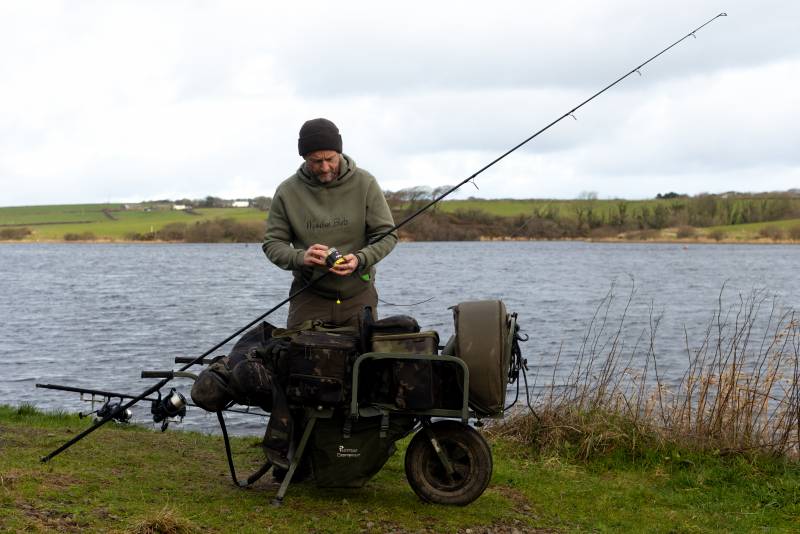
Okay, lets start with the obvious, fishing singles in winter. A big reason for fishing singles or any amount of bait for that matter is to try and match the appetite or feeding extent of the carp. In winter this is going to be very low with the metabolism of the fish reduced to conserve energy rather than expend it by being active and feeding. Another consequence of this, is that the carp can be pretty dormant - often ‘laid-up' in deeper water and areas of the lake where they feel comfortable. When this is the case our angling approach needs to A) match the feeding levels of the fish and B) overcome the lack of activity and movement of the carp.
Now a single hookbait obviously matches the potential low appetite of the fish, so one important box ticked. It can be taking on the challenge of negotiating a bite from dormant carp where I feel the biggest advantage of a single is held. Because you're not tied into a baited spot, you can simply recast a single hookbait around your swim periodically searching out the fish and even move to repeat the process in other areas. I'm absolutely certain that in the colder months your hookbait needs to be as close to fish as possible - you cannot rely on fish moving about and coming across your bait, you need to put it right in front of them to increase your chances!
LATE WINTER & SPRING
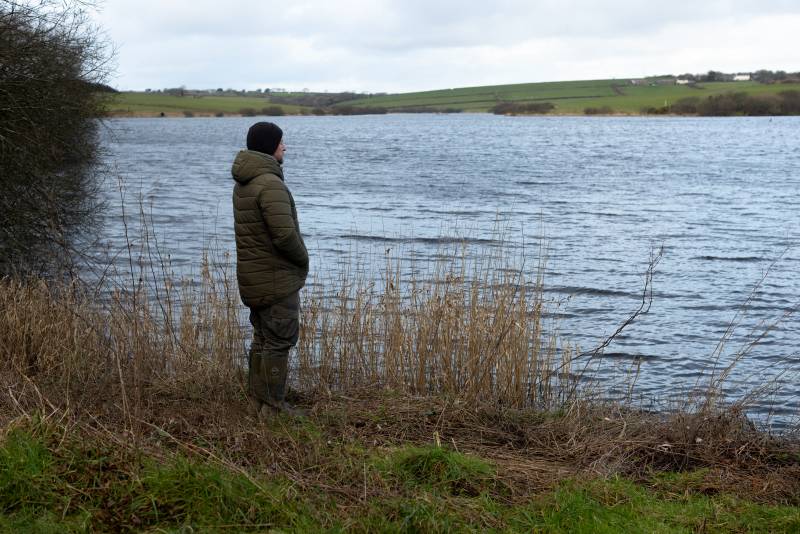
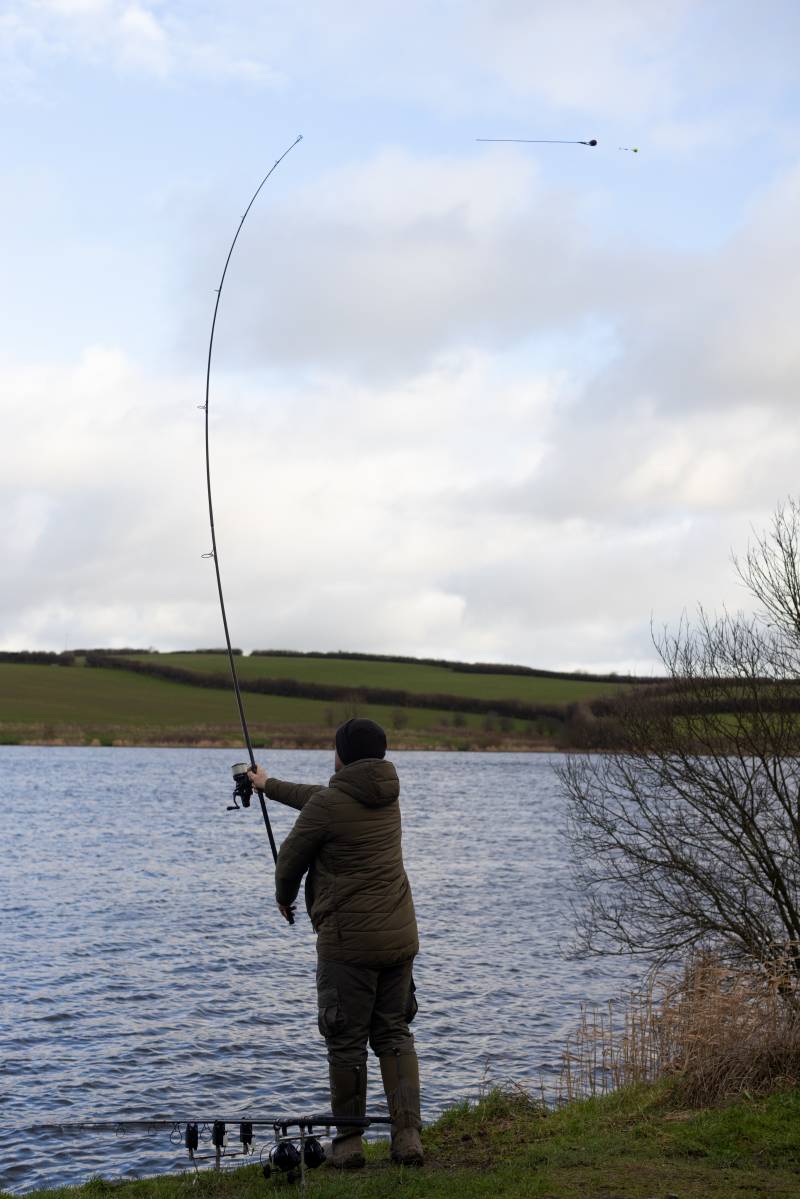
As the hours of daylight and the warmth of the sun increase during the part of the year the activity levels of the carp will also increase (hoorah) and at some point, you can expect the fish to be up for a feed. Although feeding spells can be short, infrequent and not totally reliable, but the activity of the carp often jumping and showing - now that is something to target.
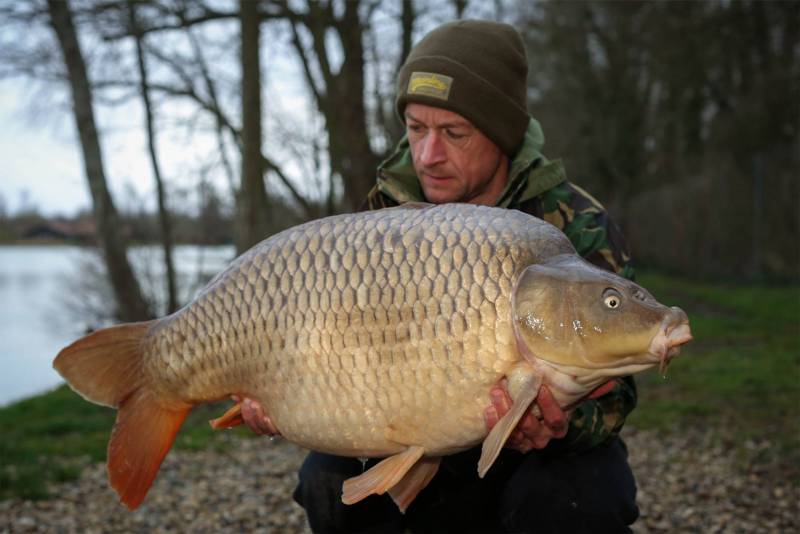
Now you should keep your eyes on the water at any time, but in spring this can really pay off with bonus bites from casting at showing fish or a range or area where they are jumping. Carp are very inquisitive at this time of year and prior to the angling pressure of summer their guard is generally also low. A bright, attractive hookbait without free bait and the need or potential for feeding leaves little decision making to an awakening, curious carp and so is often taken very quickly. Because of this, target fish and tricky carp to catch often fall to these tactics at this time of year.
THE START OF ANY SESSION
Fishing singles at the start of your session is something always worth considering simply because it gives you the chance to watch the water and assess the situation before committing to a baiting approach or even the swim itself. Why would you put the handbrake on so to speak? Well let's think about a few things; most venues are fairly busy these days so there's a good chance there's already some bait in the swim. So, the fish may already be feeding and a single hookbait cast with little to no disturbance can nick an early bite before there's any need to reach for the Spod rod.
This is a particularly good tactic on trips to commercial lakes in France, where you're likely to follow a weekly rotation of visiting anglers. The fish soon pick-up on change over day (disturbance day) as a day to be on high alert. Low disturbance methods such as single hookbaits negate this, resemble safety and can pick-up early bites.
A massive element of starting a session this way, is being able to evaluate and gauge the behaviour and/or activity of the carp - all with your lines in the water, and before you commit to anything. An hour or so of watching (and learning) to begin with, allows you to slow things down and make better judgements early on, particularly when it comes to what level of bait to dispatch and where. As too much bait, too much disturbance at the wrong time is a sure-fire way to kill your session before it even gets going.
ATTRACTION
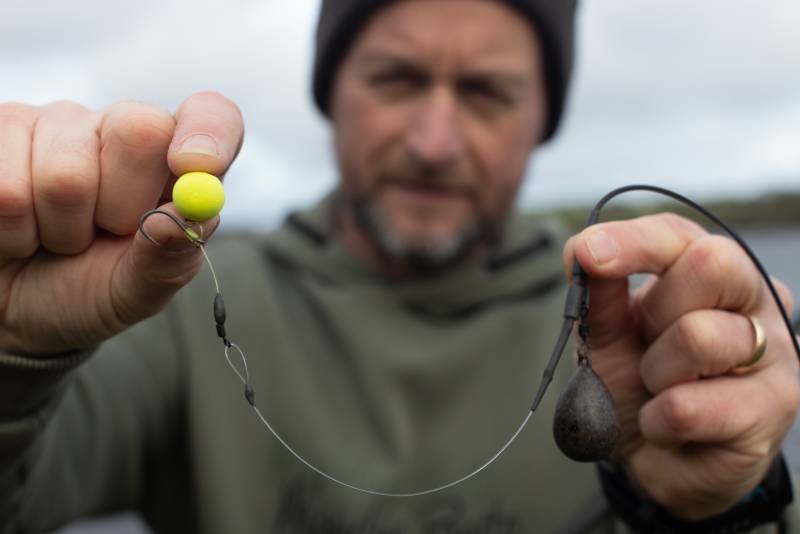
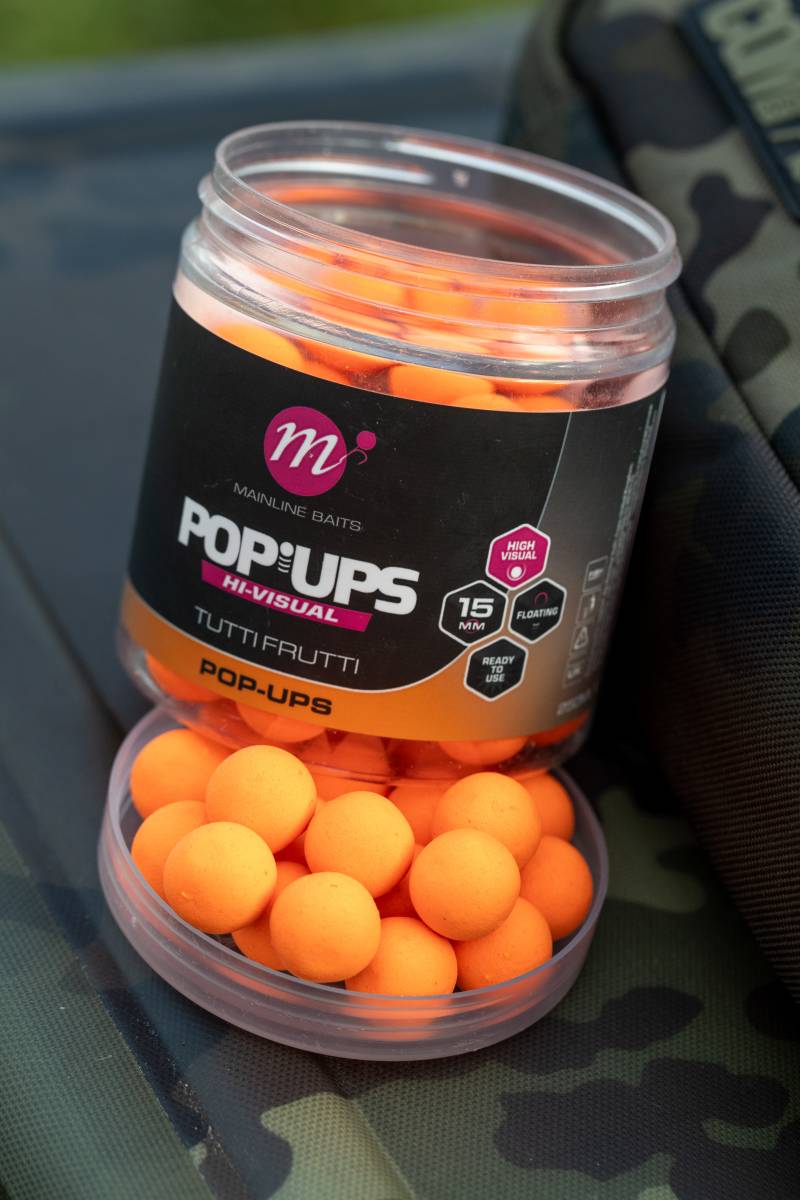
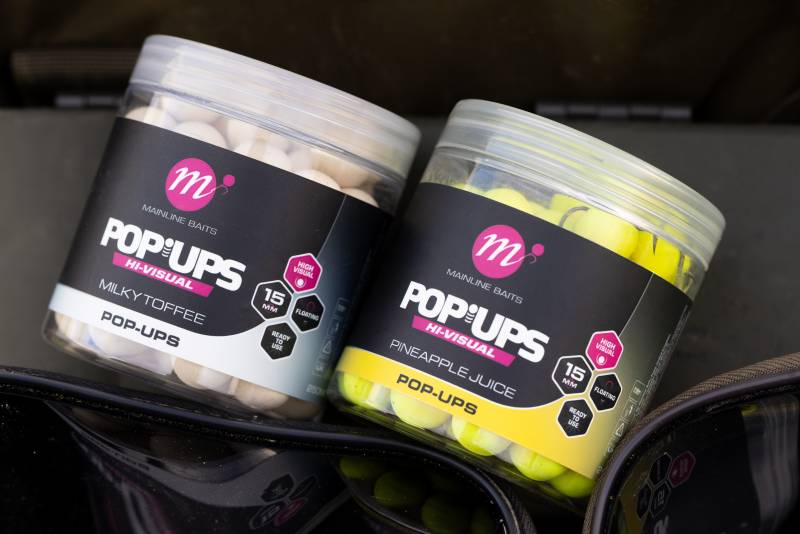
Okay, it's all well and good applying the tactics and casting at showing fish etc. but once that single hookbait is in position out in the lake you need it to be screaming at the carp - come and get me! High levels of attraction are paramount. Firstly, hookbaits need to be nice and bright to provide some visual stimulus. Carp are curious creatures and something that can catch the eye of the carp will often be investigated, especially through late winter and into spring. Subtilty is not necessarily your friend here - you want your hookbait to stand out!
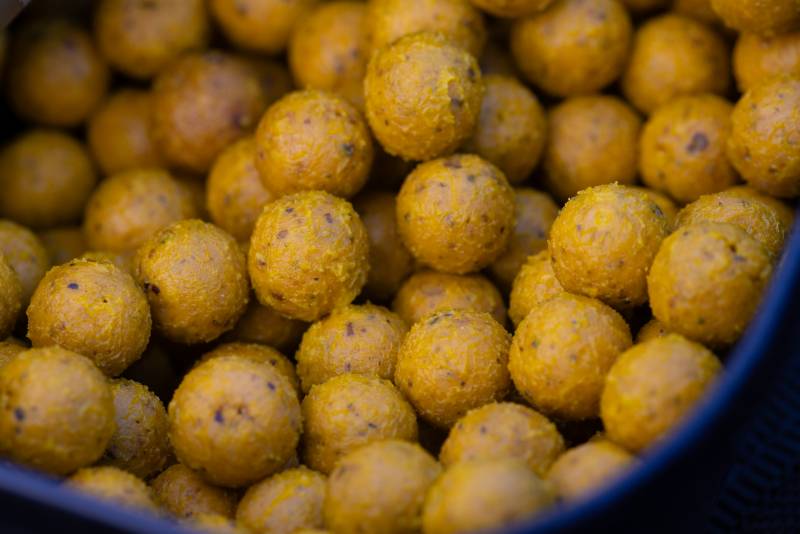
Next to visual stimulus, the other obvious quality a single hookbait will need is flavour leakage and the ability to send out attractive scents into the water column. Pumping out liquid flavours, palatable enhancers, and sweet attractors that will target the sensory organs of the carp.
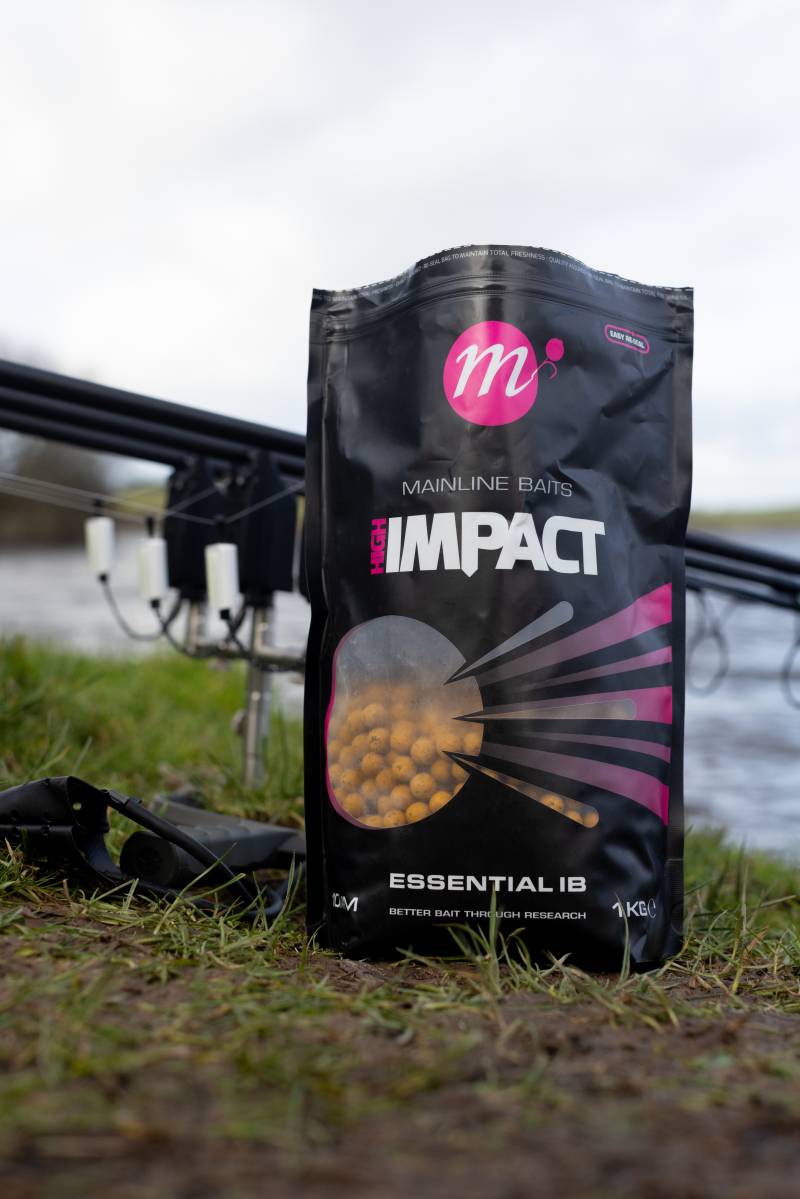
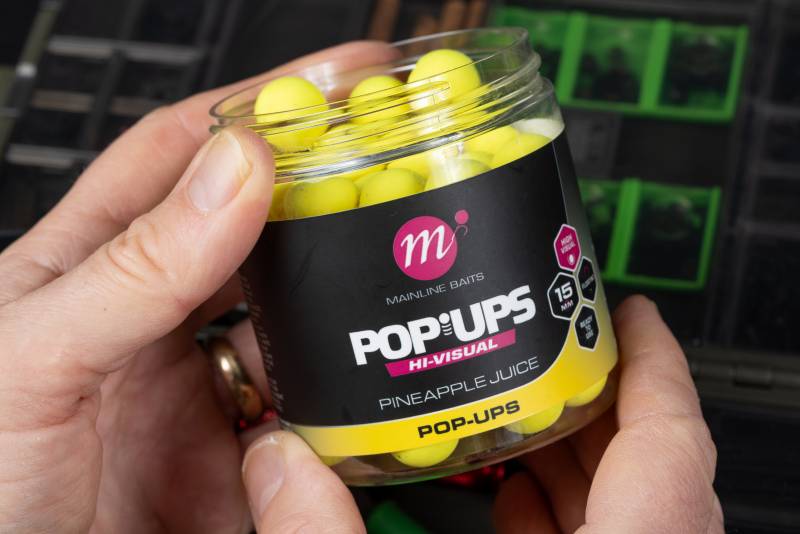
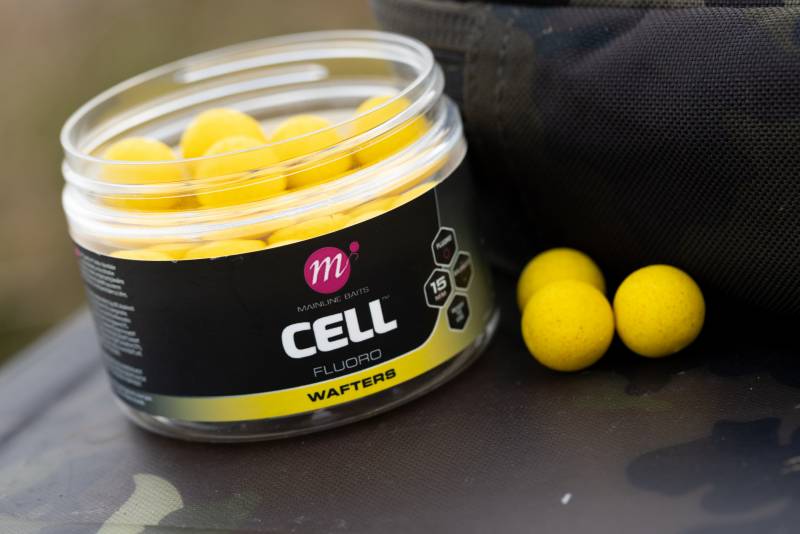
Again, I don't believe subtility should be avoided here. Hookbaits are not designed to be eaten, as in consumed and digested by the fish, so in certain situations you can afford hookbaits to be over flavoured. This is also where good quality palatents and sweeteners play a big part, as they will be able to ‘round-off' and ‘smooth-out' higher levels of strong sometimes harsh flavours. An element where I feel Mainline standalone - their list of proven flavour blends is unparalleled, Milky Toffee, Pineapple Juice and course Cell and Essential Cell. All winners you can trust to do the job!
SMART LIQUID VS SMART DIP!
Enhance your approach!
HOW TO USE THE SMART DIP
HOW TO USE THE SMART DIP
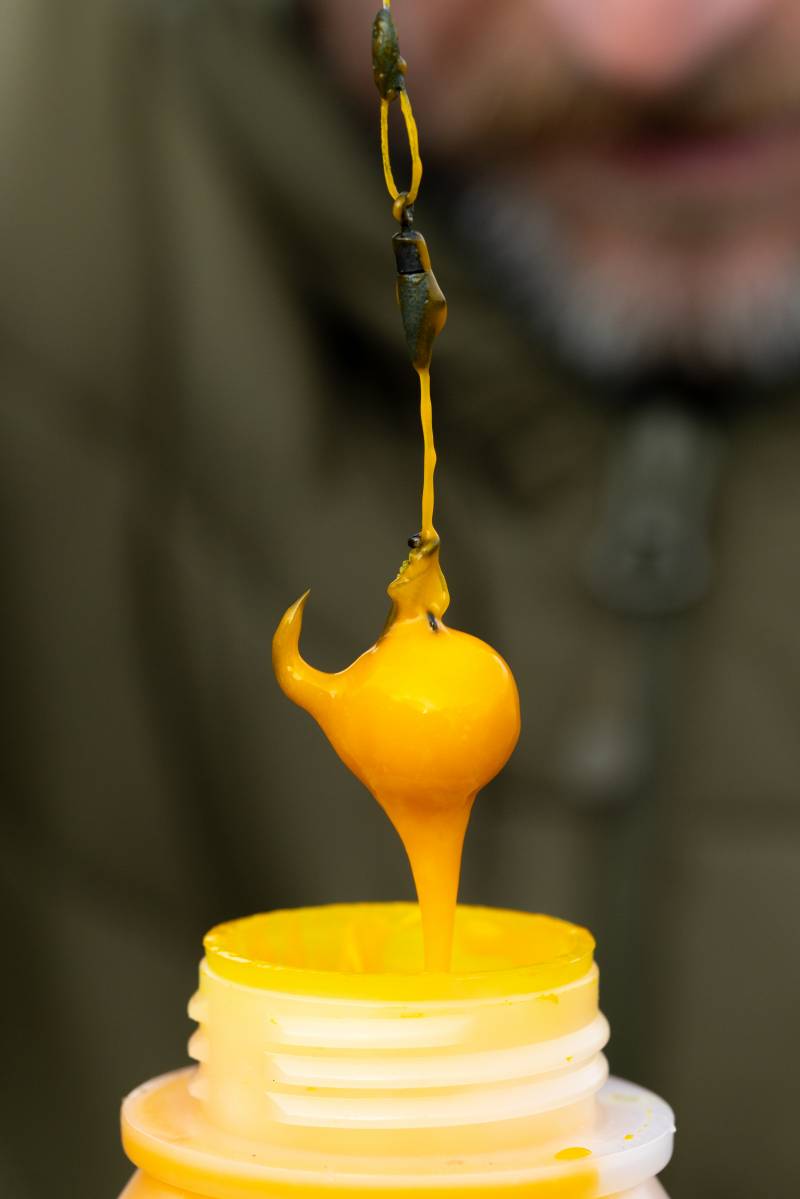
LIQUIDS
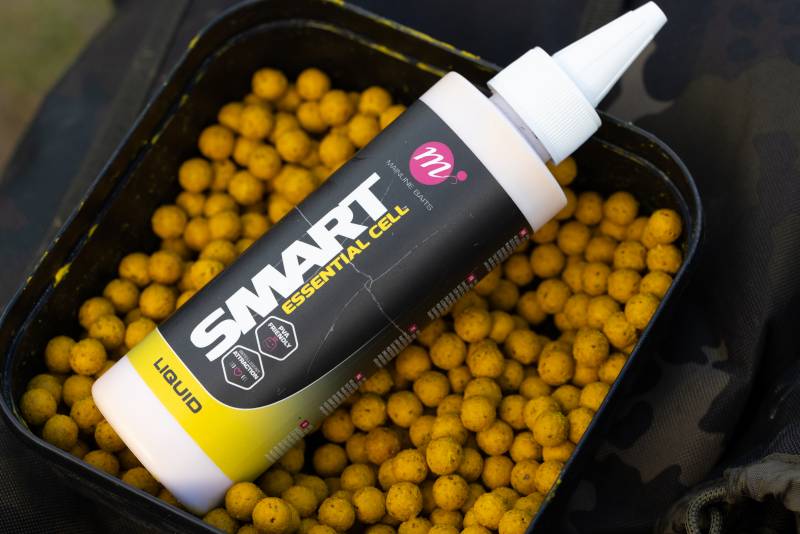
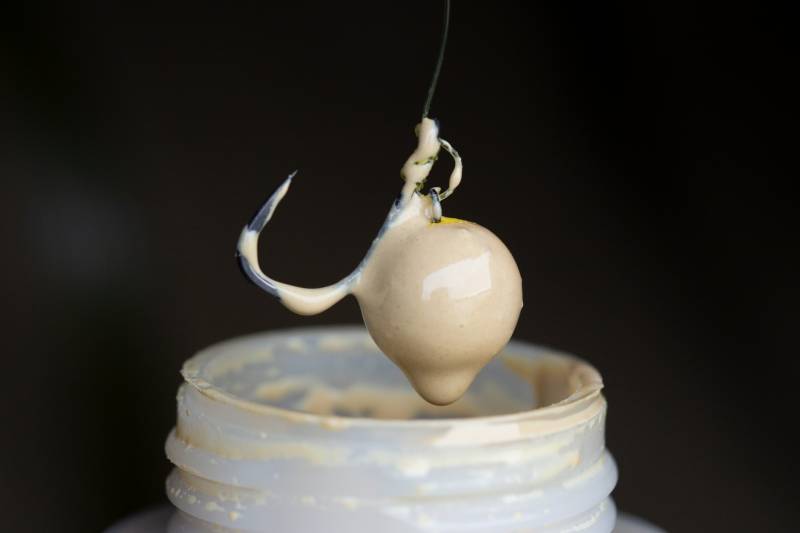
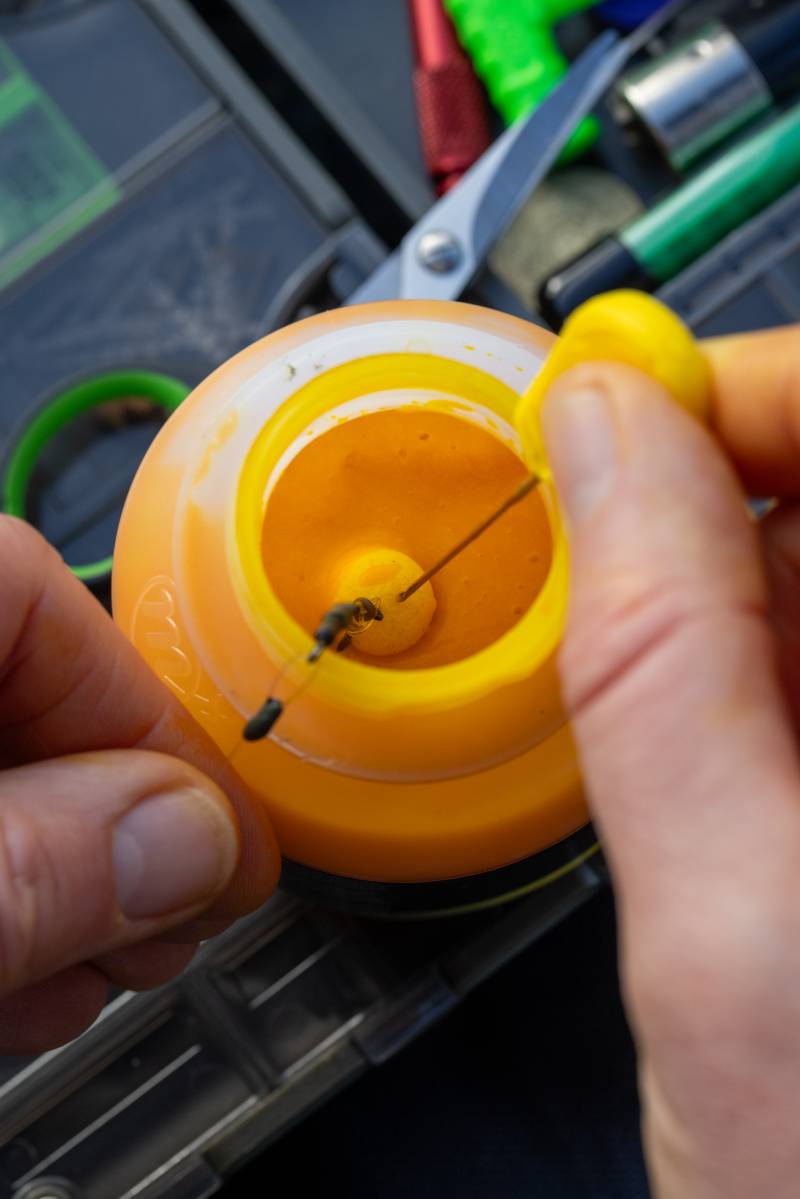
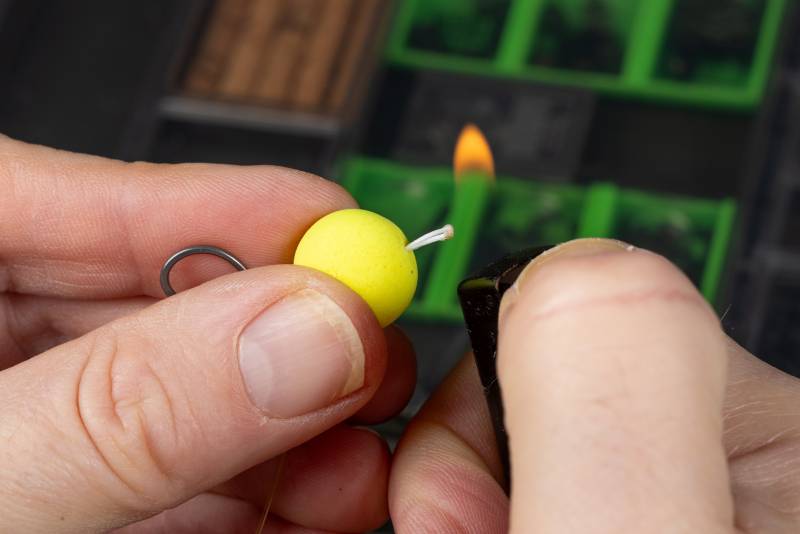
Now when you're fishing a single hookbait however attractive it may be, you're still asking it to do lot - so it's a good idea to give it some help and further boost attraction levels with a liquid attractor. Now I would say that liquid attractors fall into two categories; those that coat a bait, and those that soak into and penetrate the bait. For this reason, I generally choose liquids that coat the bait because more often than not I'll be fishing a pop-up hookbait and do not want to effect the buoyancy. Any liquid that penetrates the bait will make it heavier and therefore effect the buoyancy, so I only really use these types of liquid with bottom baits and wafters - hookbaits and rigs where I don't mind them being a little heavier.
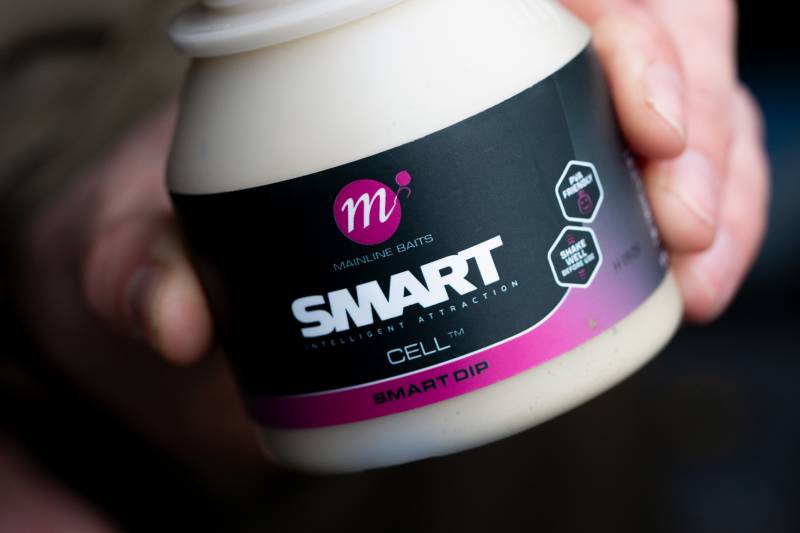
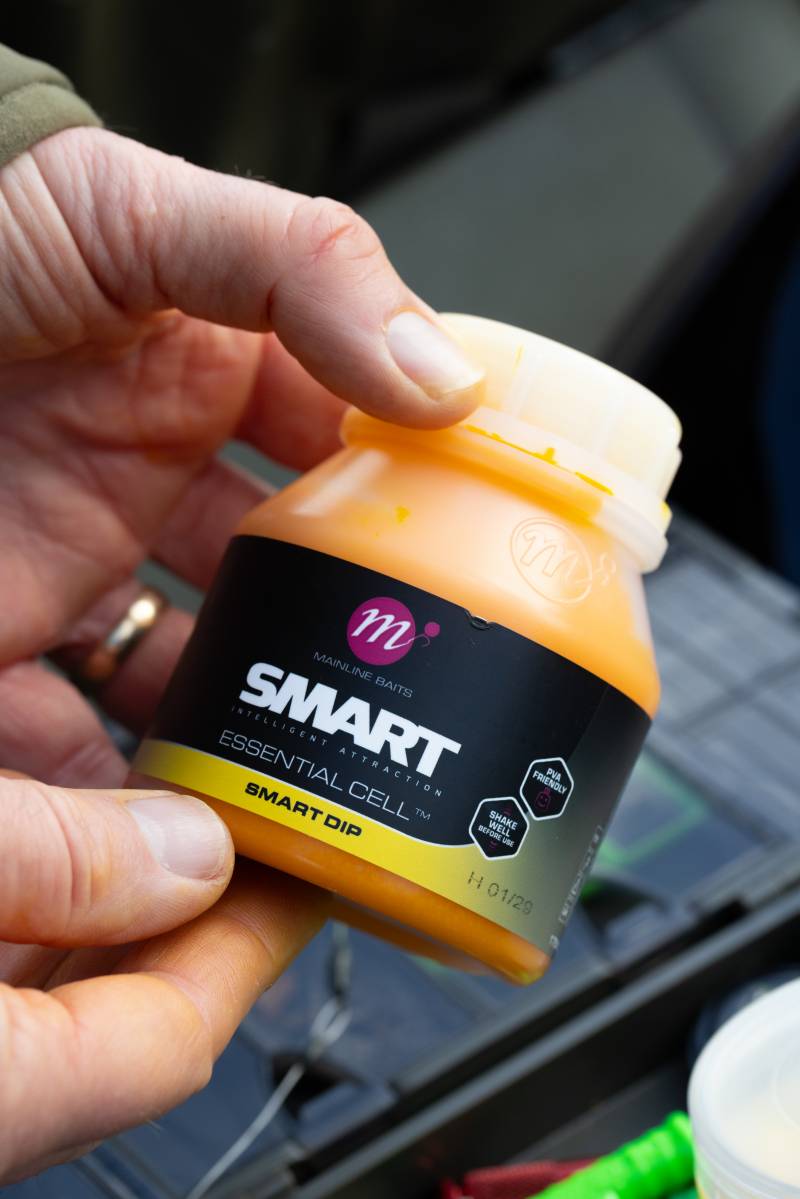
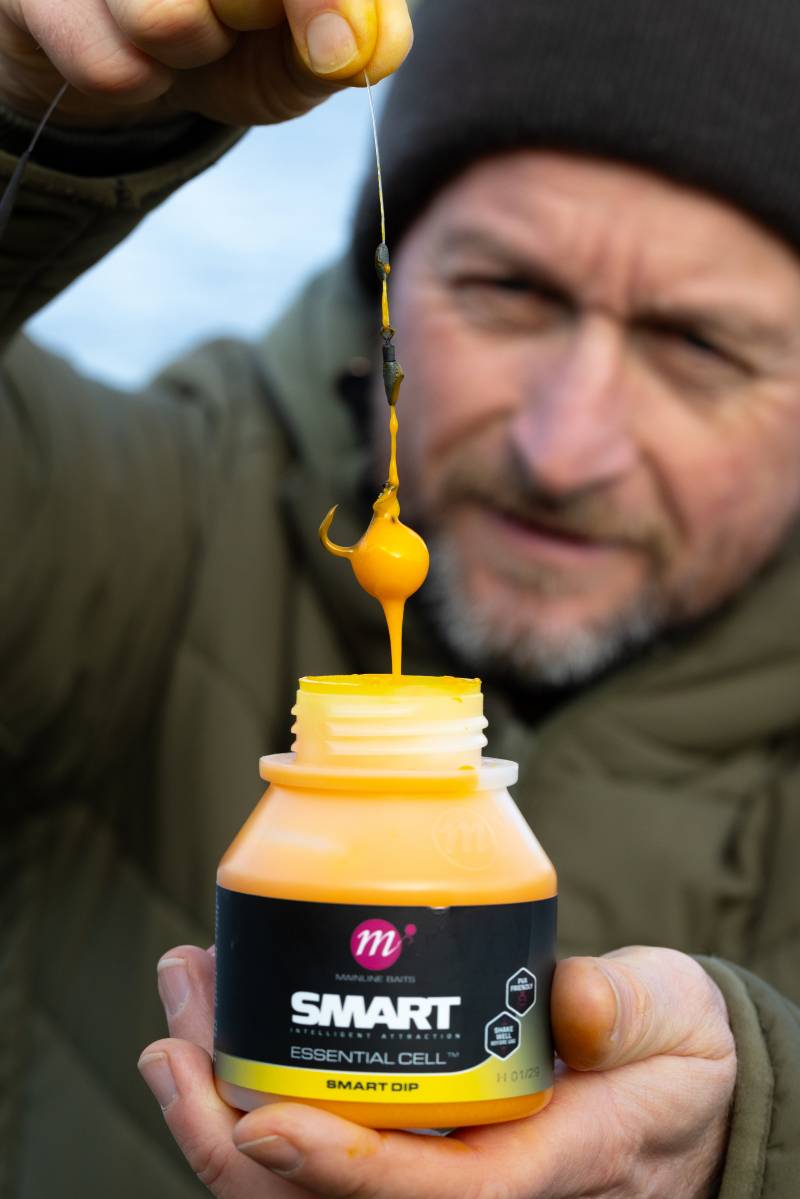
With that in mind, my first choice for liquid attraction has been the Smart Liquids, but that mantel has now been taken by the relatively new Smart Dips. I've made this change for one simple reason, the Smart Dips are much, much thicker in texture and purposely designed to stick and hold around a hookbait. Whereas the Smart Liquids are thinner in consistency and more suited to coating a higher number of baits or a bait mix.
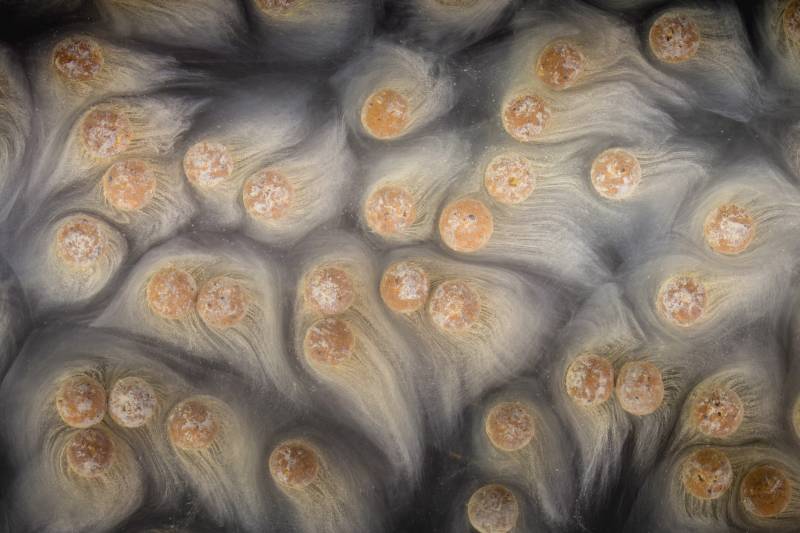
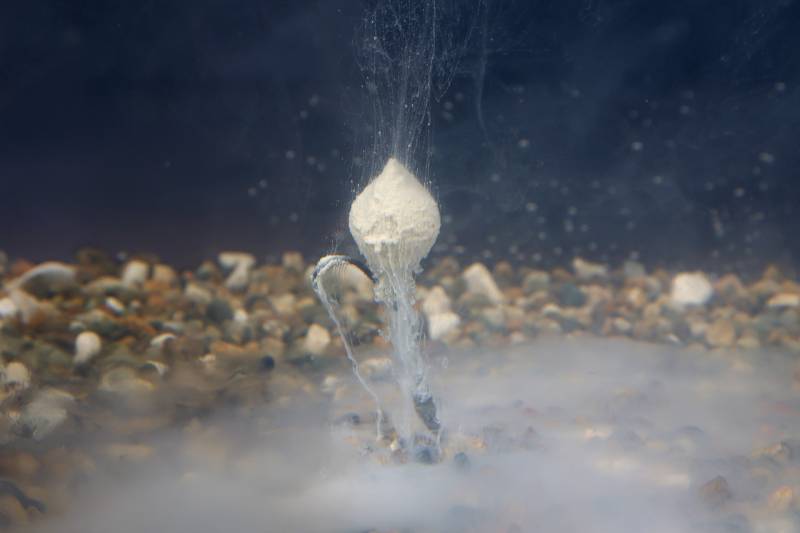
Best of all, the unique reaction of the Smart Liquid in water is exactly the same with the Smart Dip! The thick, gripping nature of the dip means that remains around the hookbait during the cast to ensure it gets down onto the deck where it can do its thing! Once on the lakebed the liquid begins to send fatty amino's and micro particles of ‘food-source' attraction up and down the water column to pull fish in. But the attraction doesn't stop there - the liquid also spreads along the lakebed to impregnate it with yet more food source attraction. Meaning even though there is just a single hookbait the presentation is giving off the same signals as a baited area. Maximum attraction from the minimum of food - exactly what you need when targeting carp short of appetite or the type of fishing situations I mentioned earlier.
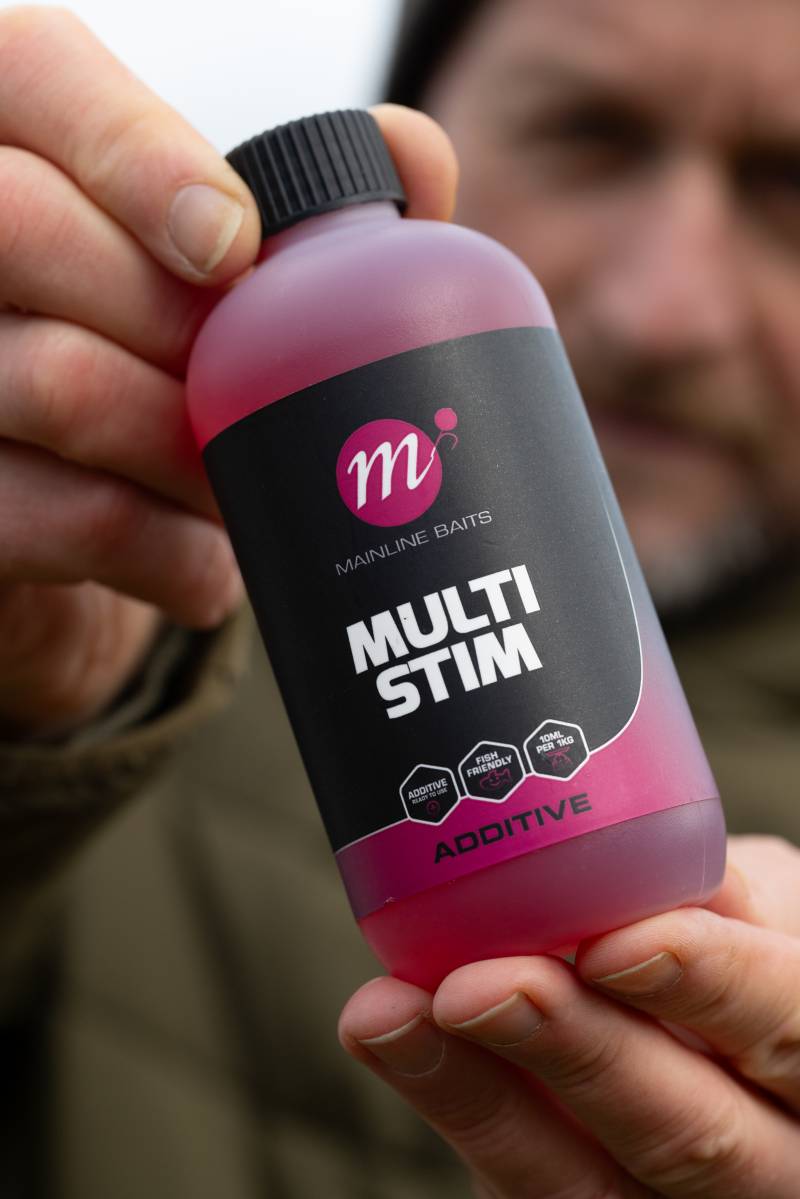
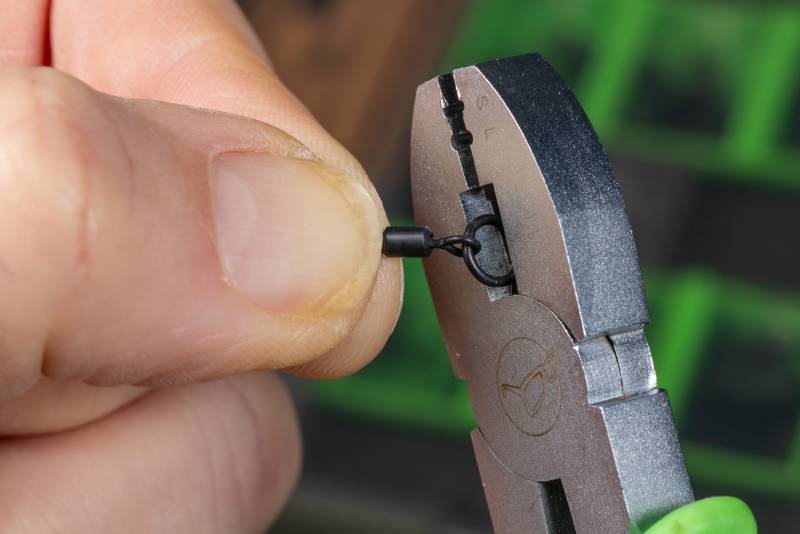
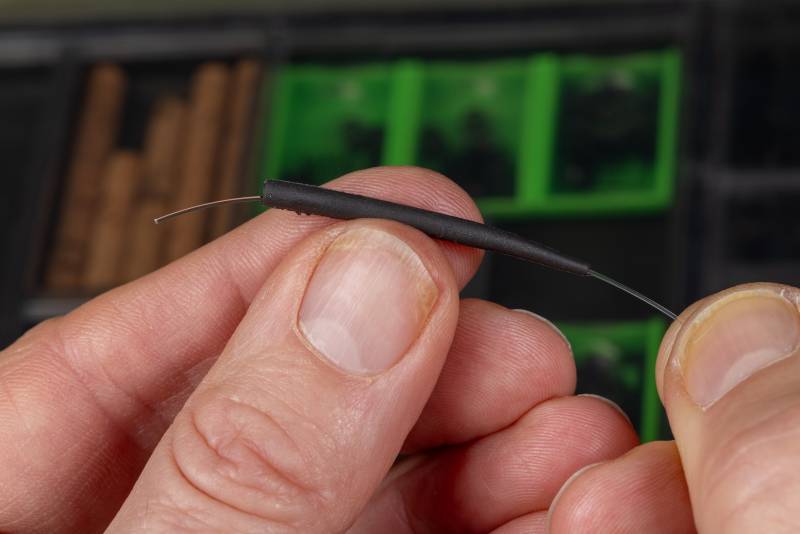
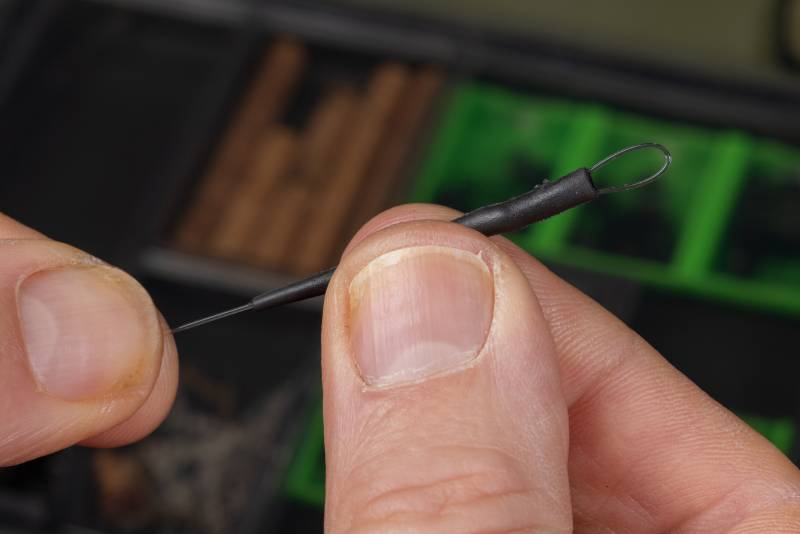
HOW TO TIE THE STIFF SECTION OF THE HINGE AND/OR CHOD RIG!
USE THIS STEP 11 OF THIS GUIDE TO CHOOSE BETWEEN TYING A HINGE RIG OR CHOD RIG!
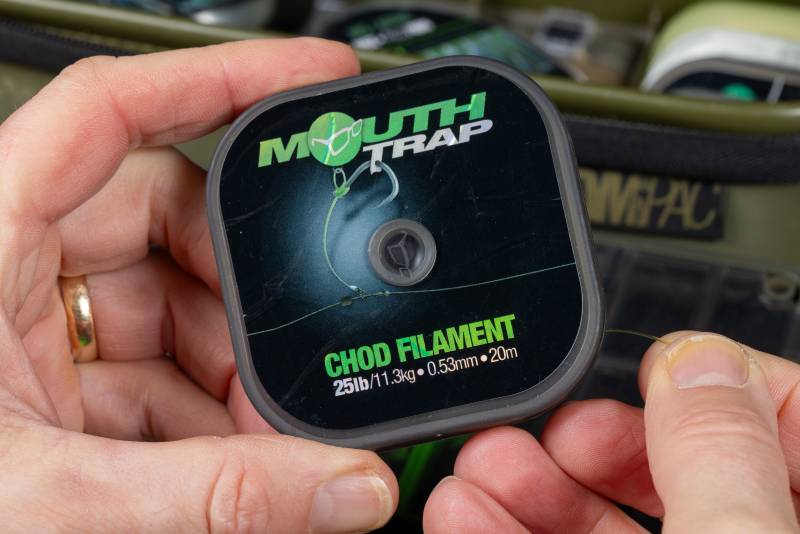
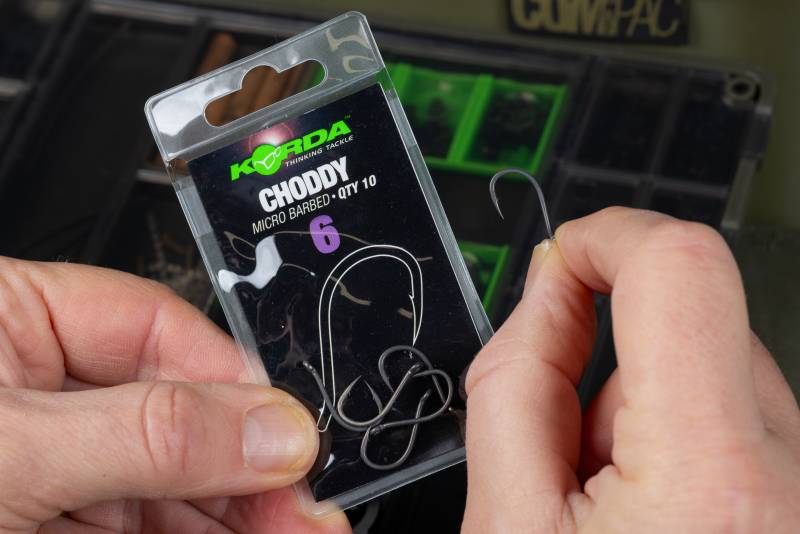
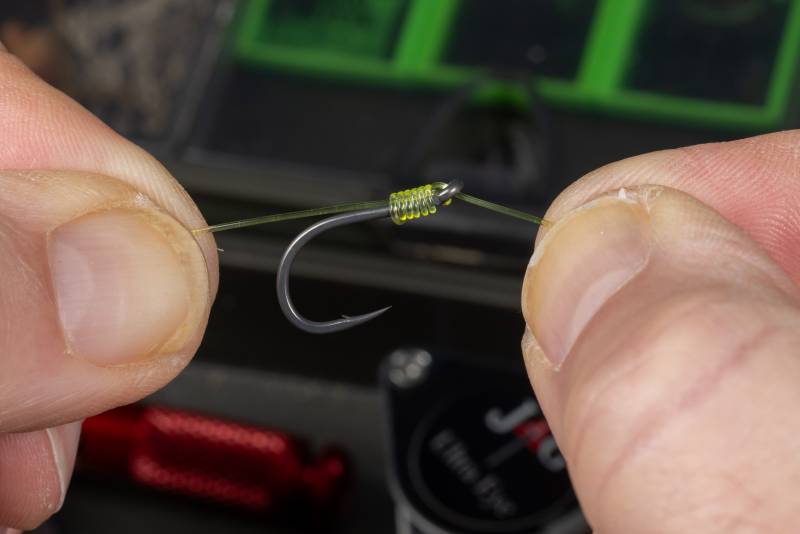
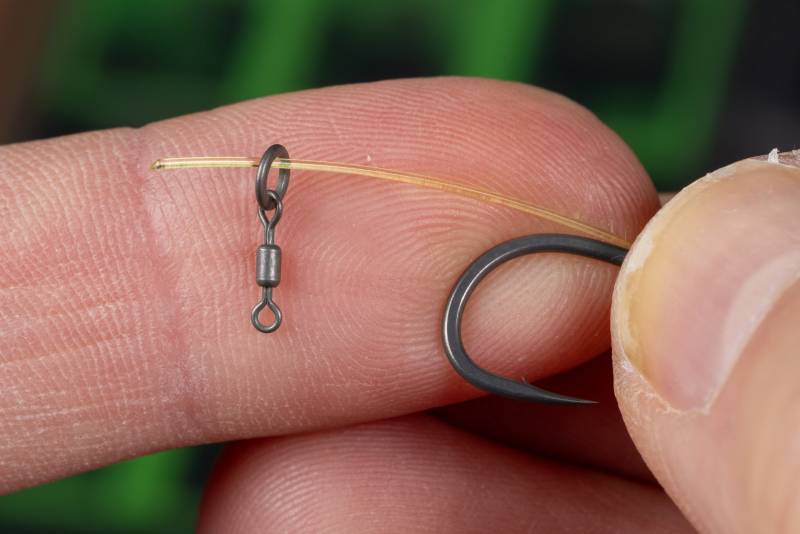
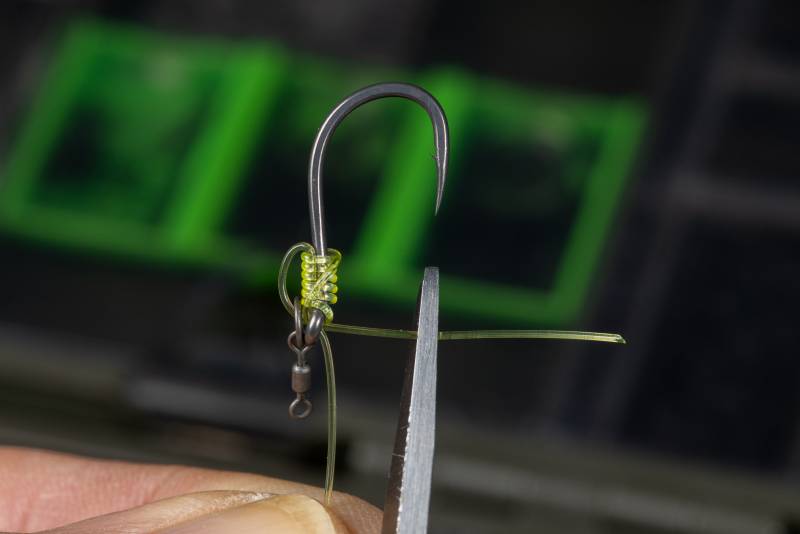
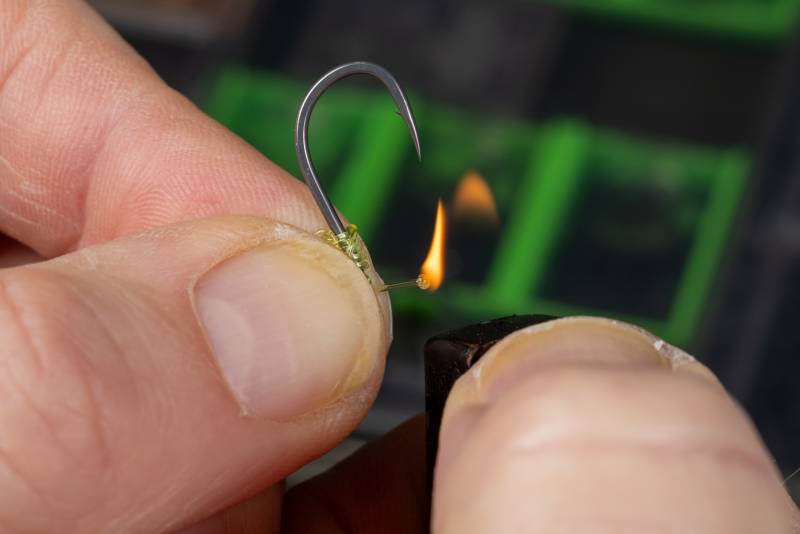
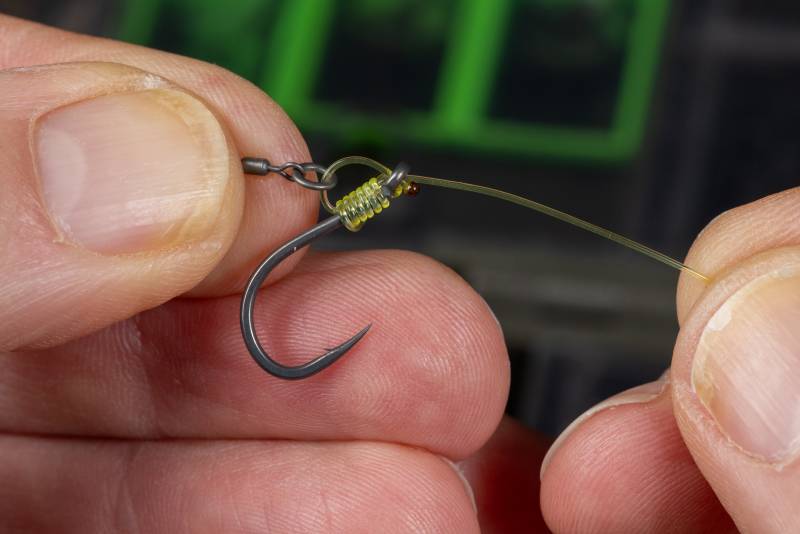
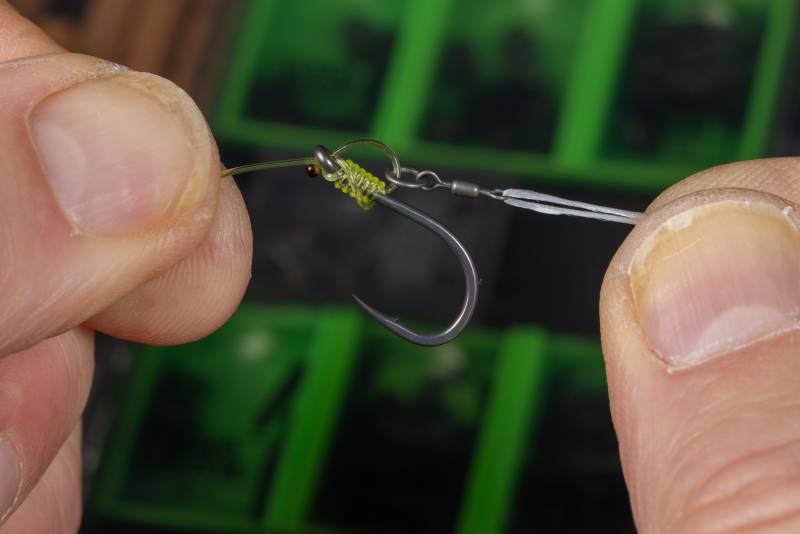
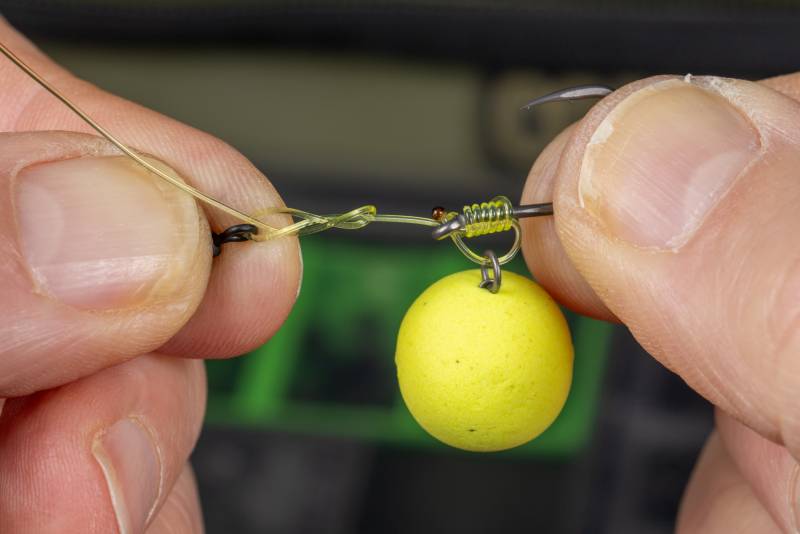
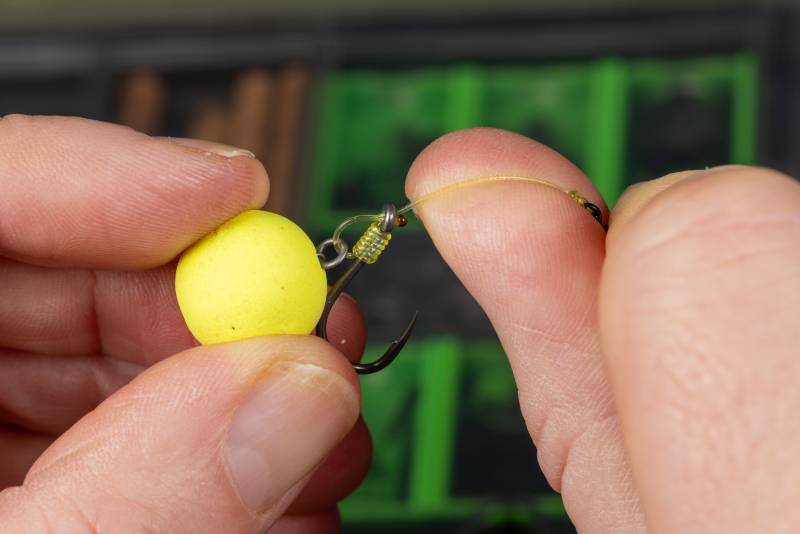
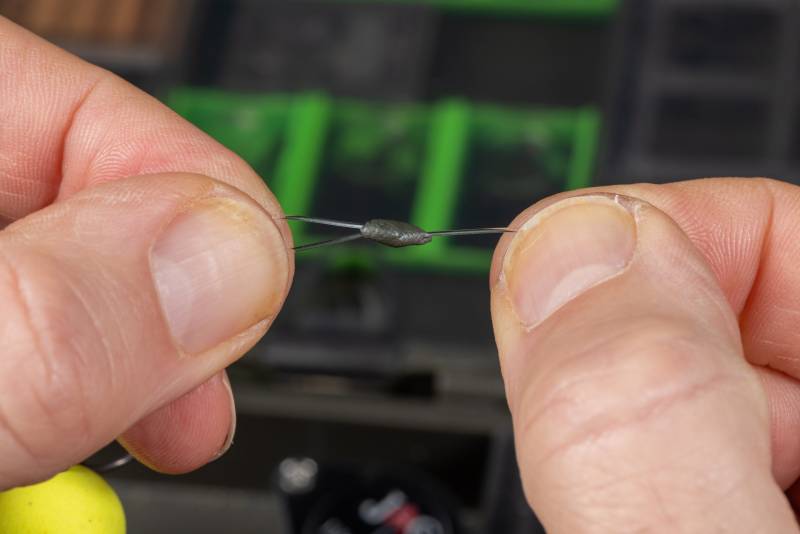
HOW TO COMPLETE THE HINGE!
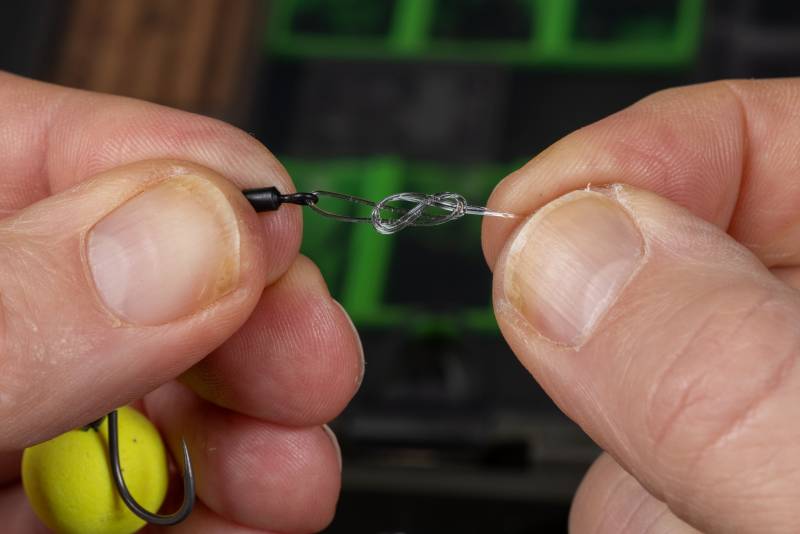
USE THESE STEPS TO TIE THE BOOM SECTION OF THE HINGE RIG…
RIGS
Nine times out of ten, I'm going to use a pop-up for single hookbait fishing simply because where I might be casting around my peg searching out fish or casting at showing fish, there's always a chance I could be casting into uncharted areas. Area's that I've not leaded-up and the topography/condition of the lakebed is unknown to me. If I already hold this knowledge and know I'd be fishing a clean, presentable spot then yes, I may choose a nice bright wafter or similar.
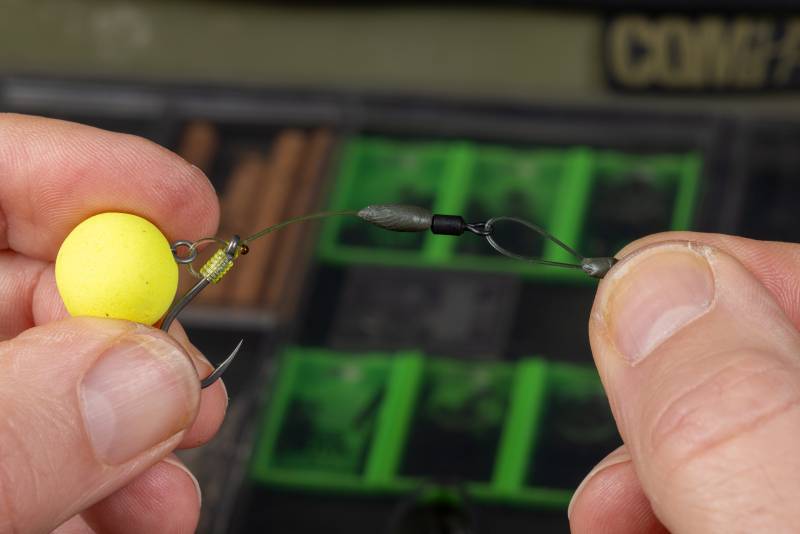
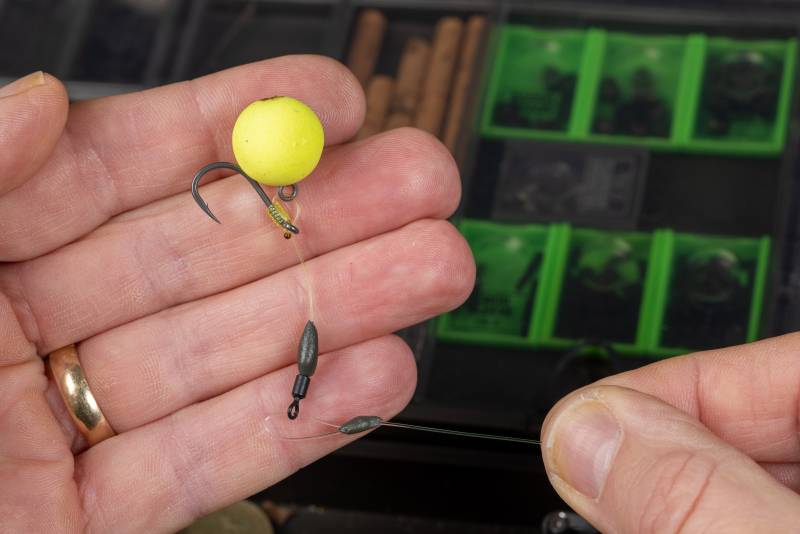
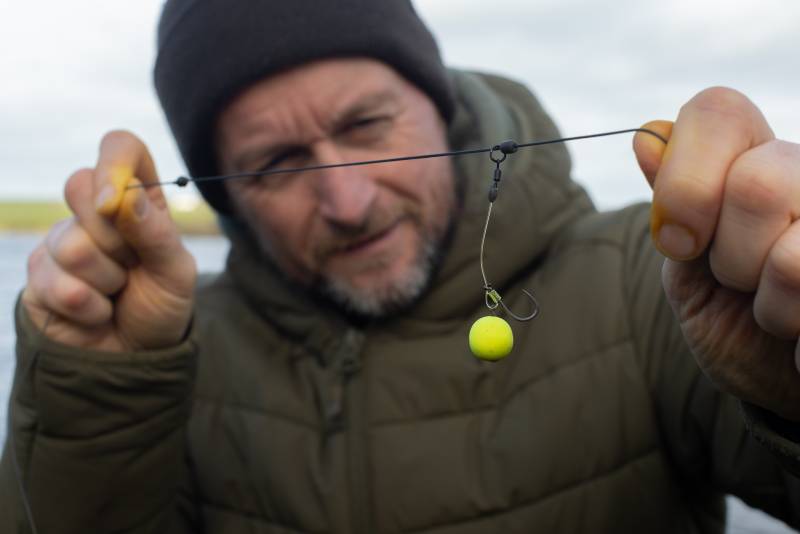
So, by choosing a pop-up, I therefore need a suitable rig to match. When you really are fishing completely blind or know that big weed beds are present then the Chod Rig is a good choice, but it's not my number one. No, for me a Hinge Rig with a longish, subtle boom section is my preference for a few reasons. Starting with the hinge element of the rig. This is super difficult for the fish to deal with, and most importantly works in such a way that the resistance of lead is not required to turn the hook to the optimal hooking position. As soon as the hookbait and rig is investigated by a mouthing fish, the short, stiff section will turn to a potential hook hold. Exactly what you want when the carp may be lethargic and not moving very much.
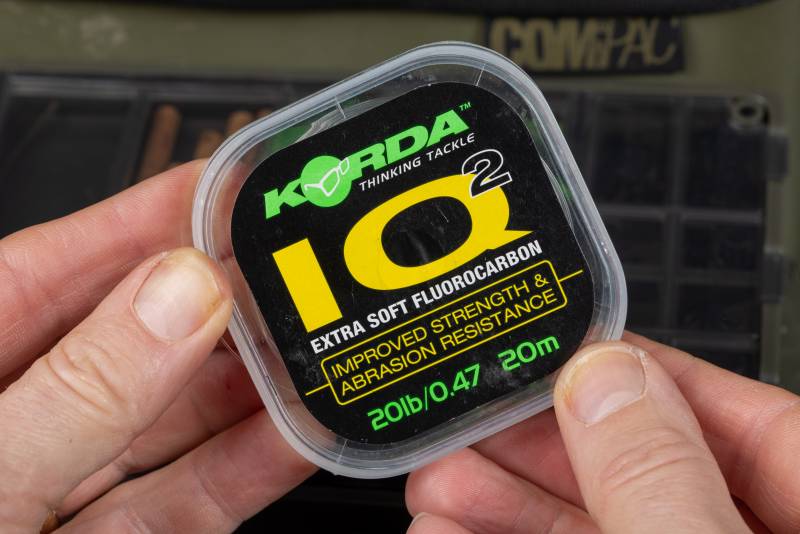
The boom section of the rig also has some vital qualities; firstly, it does a great job of separating itself from the main line/leader etc. preventing tangles. As I've said I like to use a subtle boom in the shape of IQ2 soft fluorocarbon - this material still has enough memory to push the hookbait away from the terminal set-up, but is soft enough to settle and lay nicely over chod, light weed, as well as clean lakebed types like silt, clay and gravel. Add the fact that the Hinge Rig will reset should it be ejected or disturbed by nuisance fish and you've ticked a lot of important boxes!
SUMMARY
You could say the only real negative to single hookbaits is they will not hold a group of active hungry fish - you obviously need a feed of bait for that. Although I would say a single still has a place in this situation, as a lone hookbait fished just off a baited spot can often pick-up the more wary, tricky fish to catch. So, do single hookbaits have the power to improve your catch rate or keep it going when times are tough? Yes, they certainly do!
Share this article
Skip to section
Share this article
About Author
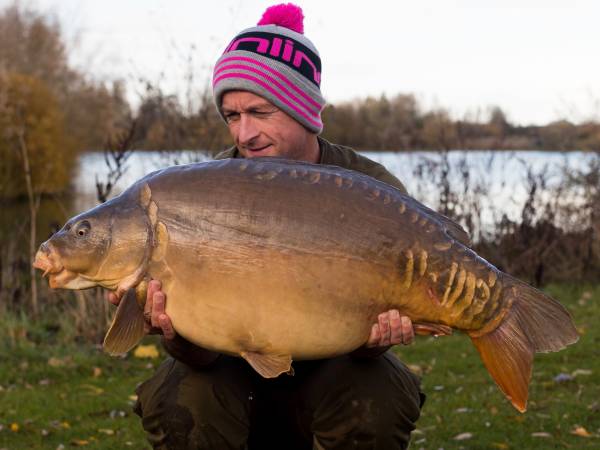
A family holiday to the Lake District is where I first found my inspiration to fish, after watching a match angler catch a mixed bag of silver fish and what seemed to me at the time an enormous beast of a perch.
From then on I was fishing whenever I could, which being surrounded by th... Find out more
